
Emotional Mastery for Traders
TradeRitual
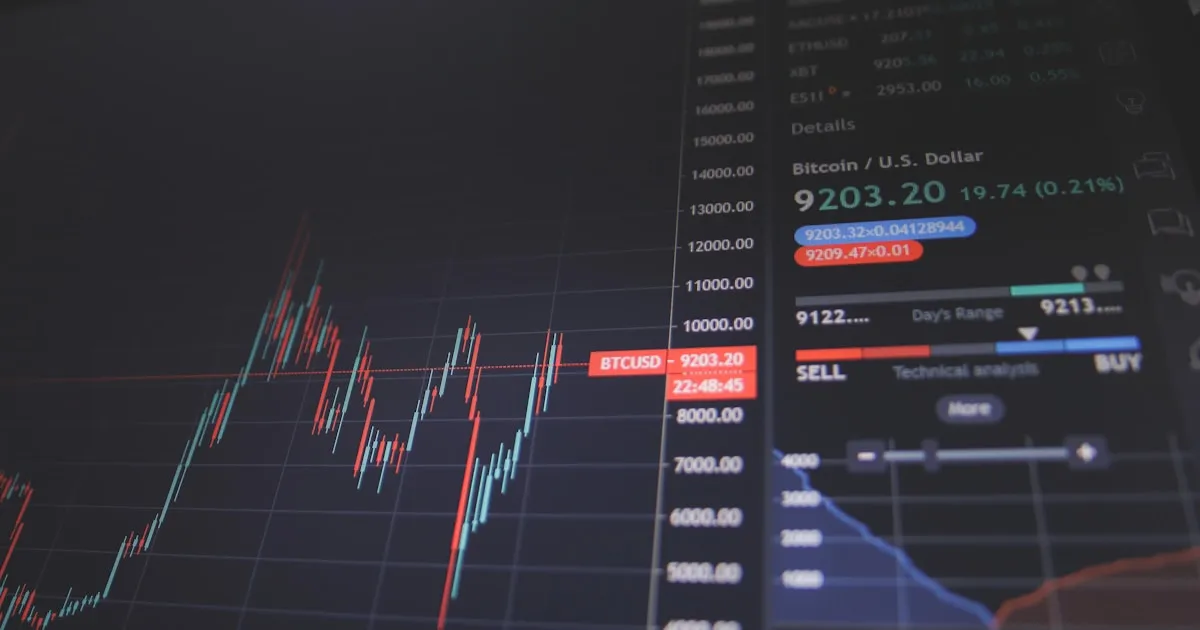
"Your task is not to predict the market. Your task is to respond to the market." - Dr. David Paul
Fear is the number one killer of trading careers. Not because fear is bad - it's a survival mechanism. But unchecked fear causes traders to:
- Exit winners too early
- Avoid valid setups
- Move stops to dangerous levels
- Freeze during crucial moments
- Abandon winning strategies after normal drawdowns
This guide will teach you to trade WITH fear, not against it - transforming it from an enemy into an ally.
Understanding Trading Fear
The Biology of Fear
When you see a trade going against you, your brain triggers the same response as if a lion were chasing you:
FEAR RESPONSE CASCADE:
─────────────────────────────────────

  Perceived Threat (red candle)
            │
            ▼
    ┌───────────────┐
    │   AMYGDALA    │  ← Threat detection
    │  (Fear center)│
    └───────┬───────┘
            │
            ▼
    ┌───────────────┐
    │  ADRENALINE   │  ← Fight or flight
    │   CORTISOL    │
    └───────┬───────┘
            │
            ▼
    ┌───────────────────────────────────┐
    │ PHYSICAL SYMPTOMS:                │
    │ • Racing heart                    │
    │ • Sweaty palms                    │
    │ • Tunnel vision                   │
    │ • Rapid breathing                 │
    │ • Inability to think clearly      │
    └───────────────────────────────────┘
            │
            ▼
    ┌───────────────────────────────────┐
    │ TRADING BEHAVIOR:                 │
    │ • Panic exit                      │
    │ • Moving stops                    │
    │ • Averaging down desperately      │
    │ • Freezing (no action)            │
    └───────────────────────────────────┘
The problem: Your prefrontal cortex (logical thinking) shuts down when the amygdala is activated. You literally cannot think clearly when afraid.
Fear vs. Respect
There's a difference between:
| Fear (Destructive) | Respect (Constructive) |
|---|---|
| "This trade will destroy me" | "This trade could lose, like any trade" |
| Paralysis and avoidance | Cautious, planned action |
| Emotional, irrational | Calculated, strategic |
| Leads to rule-breaking | Leads to discipline |
The goal isn't to eliminate fear. It's to transform it into respect.
The Four Fears Every Trader Faces
Fear #1: Fear of Losing Money
Manifests as:
- Taking profits too early
- Using stops too tight
- Avoiding trades altogether
- Trading tiny size that can't make a difference
Root causes:
- Previous significant losses
- Trading with money you can't afford to lose
- No faith in your edge
- Over-attachment to money
The reframe:
Every business has costs. Trading costs = Losses on losing trades.
Would you refuse to buy inventory for your store because "you might not sell it"? No. Losses are inventory costs. They're necessary for profits.
PROFESSIONAL MINDSET:

"I accept that I will lose approximately 40-50% of my trades.
 These losses are a cost of doing business.
 Over 100 trades, my edge will prevail."
Fear #2: Fear of Missing Out (FOMO)
Manifests as:
- Chasing trades after they've moved
- Entering without setup confirmation
- Oversizing to "make up" for missed gains
- Jumping into moves without stops
Root causes:
- Seeing others profit (social media)
- Scarcity mindset ("opportunities are rare")
- Regret from past missed trades
- Impatience
The reframe:
The market offers infinite opportunities. Missing one trade means nothing.
OPPORTUNITY ABUNDANCE MINDSET:

Number of trading days per year:    ~252
Trading setups per day:             5-20+
Annual opportunities:               1,000-5,000+

Missing ONE trade = Missing 0.02-0.1% of annual opportunities

There will ALWAYS be another trade.
Fear #3: Fear of Being Wrong
Manifests as:
- Not taking stops (proving you're "right")
- Averaging down ("I can't be wrong")
- Over-holding losing trades
- Blaming market manipulation
Root causes:
- Ego attachment to positions
- Self-worth tied to trade outcomes
- Perfectionism
- Need for external validation
The reframe:
Being wrong is not failure. Not following your system is failure.
"A losing trade that followed the plan is a good trade. A winning trade that broke the rules is a bad trade."
TRADER IDENTITY SHIFT:

OLD: "I am right or wrong based on this trade's outcome."

NEW: "I am a process executor. I execute my edge over
      thousands of trades. Individual outcomes are noise."
Fear #4: Fear of Giving Back Profits
Manifests as:
- Stopping after first winner
- Reducing size mid-session
- Not taking valid setups after gains
- "Quit while ahead" thinking
Root causes:
- Previous experience of giving back
- Inability to handle volatility
- Win perceived as "luck" not skill
- Scarcity mindset
The reframe:
If your system is valid over 100+ trades, why would you stop after 1?
PROFIT PROTECTION vs. PROFIT MAXIMIZATION:

Scenario: You're up $500 early in session

FEAR Response:
"Stop now, lock in $500"
Result: Miss remaining valid setups (expected value $300)
Net: $500

PROFESSIONAL Response:
"Continue executing valid setups with proper risk"
Expected remaining setups: 3
Expected value per setup: $100
Result: +$800 (or $200 if 2 losers)
Net: Better expected value
Practical Techniques for Emotional Regulation
Technique #1: Pre-Trade Acceptance
Before every trade, complete this acceptance:
PRE-TRADE ACCEPTANCE STATEMENT:
─────────────────────────────────────────────────────

"I am about to risk $_____ on this trade.

 If I lose this money, I accept that outcome.
 It is within my risk parameters.
 It does not reflect my worth as a trader.
 It is simply a cost of doing business.

 I will honor my stop at $_____.
 I will take profit at $_____ OR trail my stop.

 I am executing my edge. The outcome of this single
 trade is irrelevant to my long-term success."
If you can't genuinely accept the potential loss, either:
- Reduce position size until you can
- Don't take the trade
Technique #2: The 10-10-10 Rule
When fear strikes, ask:
THE 10-10-10 FRAMEWORK:
─────────────────────────────────────────────────────

1. How will I feel about this in 10 MINUTES?
   → Probably still anxious, but thinking more clearly

2. How will I feel about this in 10 DAYS?
   → This trade will be one of many, largely forgotten

3. How will I feel about this in 10 MONTHS?
   → Completely irrelevant to my overall journey

CONCLUSION: Most trading fears are massively overblown
            in the moment.
Technique #3: Physiological Reset
When you notice fear symptoms, interrupt the pattern physically:
Box Breathing (Immediate calming):
Inhale 4 seconds → Hold 4 seconds →
Exhale 4 seconds → Hold 4 seconds →
Repeat 4-6 times
Physical Reset:
- Stand up and stretch
- Walk around for 2 minutes
- Splash cold water on face
- Look away from screens
Verbal Reset: Say out loud: "I am calm. I follow my system. Outcomes don't define me."
Technique #4: The Trading Mantra
Create a personal mantra to repeat when emotions surge:
EXAMPLE MANTRAS:
─────────────────────────────────────────────────────

"I trade probabilities, not certainties."

"Losses are tuition. I'm paying for my education."

"The process is my only concern. Results follow process."

"There will always be another trade."

"I am a risk manager first, trader second."
Write yours here: __
Technique #5: Position Sizing for Peace
The ultimate fear reducer: Trade small enough that losses don't trigger fear.
POSITION SIZING PEACE TEST:
─────────────────────────────────────────────────────

Can you take 5 consecutive losses at this size
without emotional disturbance?

NO  → Reduce size by 50%
YES → Current size is appropriate

Remember: You WILL have 5-loss streaks.
It's mathematically certain. Size for survival.
The Fear Journal Exercise
For the next 20 trades, keep a fear journal:
| Trade # | Fear Level (1-10) | Fear Type | Action Taken | Result | Lesson |
|---|---|---|---|---|---|
| 1 | 7 | Losing money | Exited early | +$50 (left $150) | Fear cost me |
| 2 | 3 | None | Followed plan | -$100 | Plan loss, OK |
| 3 | 8 | Being wrong | Moved stop | -$200 | Bigger loss from fear |
After 20 trades, analyze:
- Which fear type is most common?
- What triggers your fear?
- How does fear affect your results?
- What's one pattern you can change?
Building Long-Term Emotional Resilience
Daily Practices
DAILY EMOTIONAL TRAINING:
─────────────────────────────────────────────────────

MORNING:
□ 5 minutes meditation/breathing
□ Review trading affirmations
□ Complete Daily Ritual (emotional check-in)

DURING TRADING:
□ Notice fear without reacting
□ Breathe before every trade entry
□ Breathe before every trade exit

EVENING:
□ Journal emotional state for each trade
□ Identify fear triggers
□ Acknowledge progress (no matter how small)
Weekly Practices
WEEKLY EMOTIONAL REVIEW:
─────────────────────────────────────────────────────

□ Review fear journal entries
□ Identify recurring patterns
□ Plan one small improvement
□ Celebrate discipline wins (not P&L wins)
□ Read/watch trading psychology content
Monthly Practices
MONTHLY DEEP WORK:
─────────────────────────────────────────────────────

□ Review month's emotional patterns
□ Calculate cost of fear-based decisions
□ Adjust position sizing if needed
□ Consider working with a coach/mentor
□ Update trading affirmations
When Fear Is Telling You Something Important
Not all fear should be overridden. Sometimes fear is intelligent.
Listen to fear when:
| Fear Signal | What It Might Mean |
|---|---|
| Fear before EVERY trade | Position size too large |
| Fear with certain setups | You don't trust this setup (maybe shouldn't) |
| Fear during certain hours | You perform worse at these times |
| Fear on certain days | External stress affecting trading |
| Fear after news events | You shouldn't trade news |
The distinction:
IRRATIONAL FEAR: Based on past trauma, ego, or distorted thinking
                 → Work to overcome it

RATIONAL FEAR:   Based on legitimate warning signals
                 → Listen to it and adjust
The Dr. David Paul Approach to Fearless Trading
Dr. David Paul, one of the most respected trading psychologists, taught that fearless trading comes from:
1. Absolute Clarity on Your Edge
"You must know your system so well that you could explain it to a 10-year-old."
When you doubt your edge, fear fills the void. Know your win rate, expectancy, and typical drawdowns by heart.
2. Perfect Position Sizing
"If you put in half your buying power into each trade, you would end up bankrupt after four bad trades."
His recommendation: 1-2% risk maximum. Small enough that no single trade threatens your survival.
3. Focus on Perfect Execution
"Focus on the perfect execution of every trade rather than obsessing over money."
Like a golfer focusing on their swing, not the scorecard. Process over outcome.
4. Neutral Mental State
"You must not become euphoric and you must stay disciplined."
Neither too excited (leads to overtrading) nor too fearful (leads to avoidance). Neutral is the goal.
Your 30-Day Fear Mastery Challenge
Week 1: Awareness
- Complete fear journal for every trade
- Identify your top 2 fear triggers
- Practice box breathing 3x daily
Week 2: Preparation
- Create your pre-trade acceptance statement
- Write your trading mantra
- Review position sizing (can you handle 5 losses?)
Week 3: Practice
- Use pre-trade acceptance before every trade
- Use your mantra when fear spikes
- Take 2 physical resets per trading session
Week 4: Integration
- Review your fear journal
- Measure improvement in fear levels
- Identify remaining work
- Plan next month's focus
Resources for Continued Learning
Books
- Trading in the Zone by Mark Douglas
- The Disciplined Trader by Mark Douglas
- The Daily Trading Coach by Brett Steenbarger
Videos
- Dr. David Paul trading psychology lectures (YouTube)
- Mark Douglas "How to Think Like a Professional Trader"
- Brett Steenbarger trading psychology content
Practice
- Daily meditation (Headspace, Calm, or free YouTube)
- Journaling (TradeRitual)
- Trading psychology communities
Final Thoughts
Fear never fully disappears. Even the best traders feel it.
The difference is:
- They recognize it instantly
- They have tools to manage it
- They don't let it drive decisions
- They treat it as information, not instruction
Your fear is not your enemy. It's a signal that something needs attention - whether that's your position size, your preparation, or your mindset.
Master the fear, and you master trading.
Track your emotional journey in TradeRitual: Sign up free at traderitual.app
Share your fear-conquering wins: Join our Discord community
Next up: "Habit Tracking for Traders: The Compound Effect of Daily Discipline"